
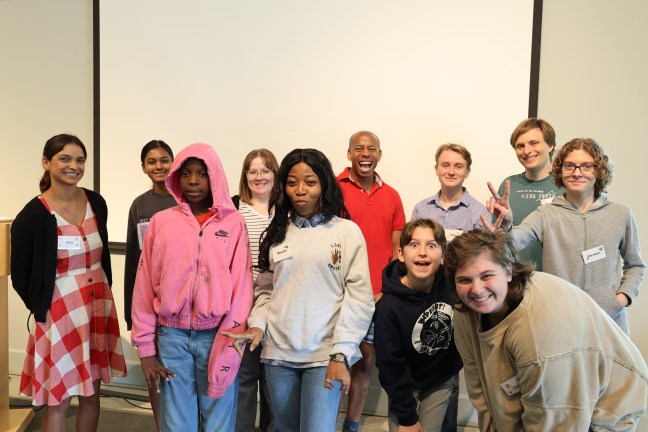
If you were to describe your day in colors, what color would it be? Green for productivity, gray for calmness, or purple for the pride you have in your accomplishments? Yellow for a warm sun glow?
Yesterday, I told you that today was going to be a lot of writing; well, here we are! We are three days-in and powered up!

We started off Day 3 from the magical world! With the guidance of instructor Noah Jayne, the young writers thought about the conceptions they have had of magic in fiction, from Harry Potter & Avatar: The Last Air Bender, to The Lord of the Rings and Kung Fu Panda.
From their reflections, Noah then eased the writers onto the “laws” of creating magic systems as stipulated by Brandon Sanderson. While they are called “laws,” Noah stressed the importance of not seeing them as blocks but rather as guidelines for writing great fantasies. Although these laws were created for fantasies, they could also come in handy for writing other genres.

After the session on Sanderson’s Laws, the writers had a fun time creating their own magic system. Noah displayed a list of 12 magical elements that the students could use to form their character’s magical power. Each power had a limitation as well, and, from another list, they chose what having that power would cost the character.
The writers selected elements such as lightning, ghosts, fire, lasers food, among others. Supplied with a 12-sided die, they rolled a dice to randomly assign themselves one of twelve “powers.” It was beautiful to see the writer’s imagination come to life as they created unique magical systems.

Playwriting
After magic, we entered the world of play writing! Our visiting writer for the day was a playwright, Prof. Darren Canady. And you guessed right: the entire session was action-filled!
Darren first led us through a warmup activity. We exercised our writing muscles by writing things that were obvious in plain sight– the trees, the warm glow of the sun … That way, the writers silenced their inner critic and got comfortable with writing.
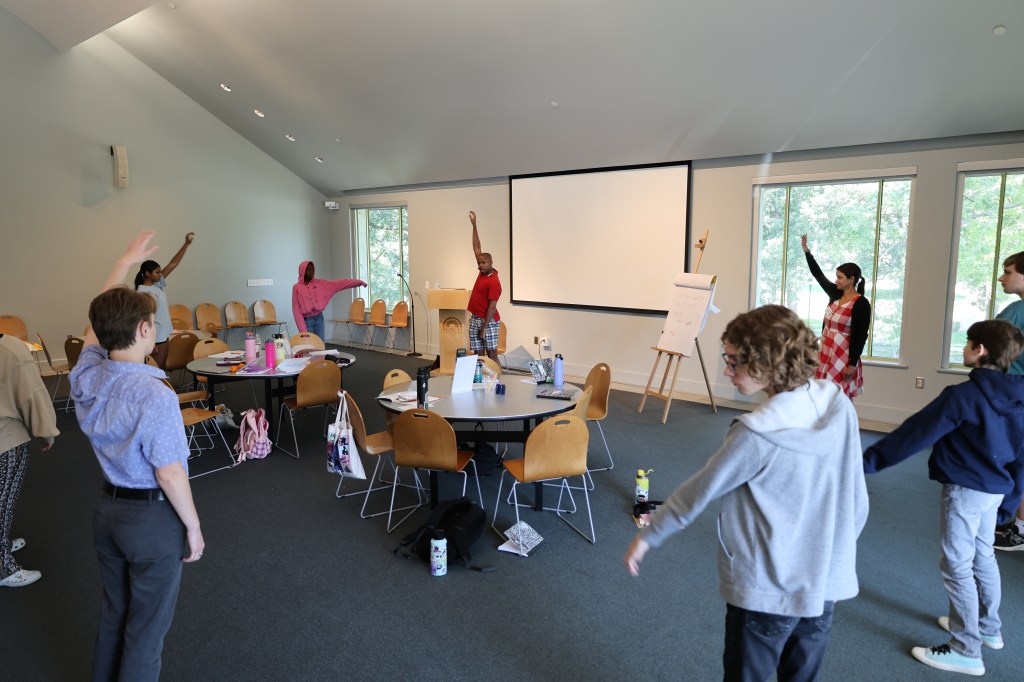
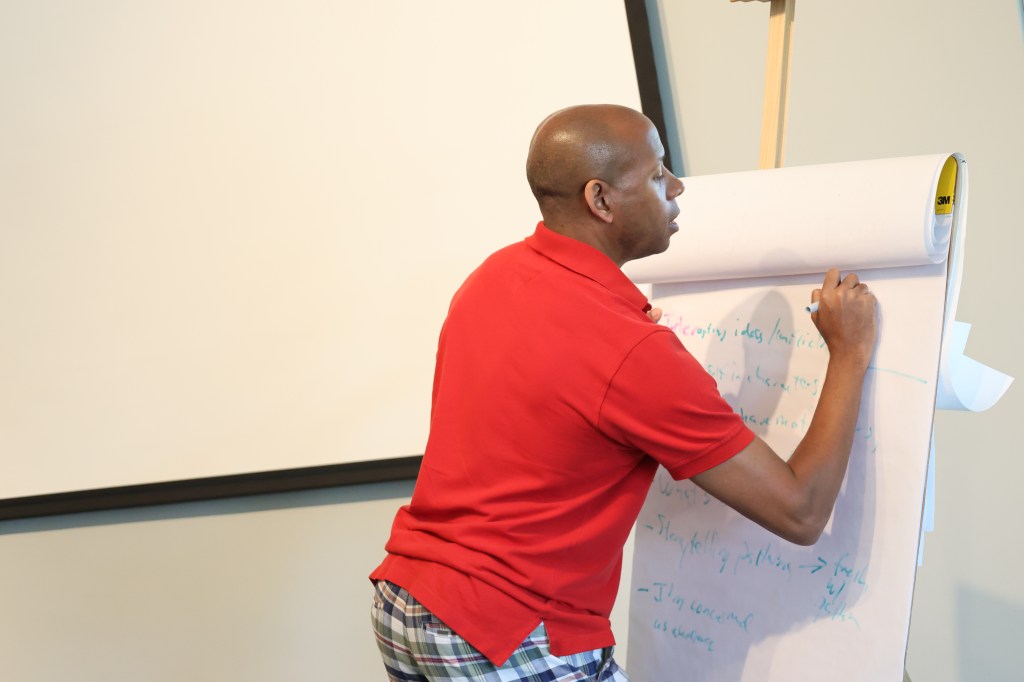
After that, we engaged in a visual activity. Each writer looked up a picture online and imagined that image as their character. Then, the creation began. They created characteristics for their character such as their age, nationality, and family.

Imagine that you’re asked to write a monologue that begins with “I’m in danger.” Well, that’s what our young writers did! Regardless of their image choice and characteristics, each writer developed a monologue beginning with that phrase and written from the perspective of their character.
We went a step further to create a dialogue. The highlight of writing the dialogue was that the students got to read their dialogue aloud, receive feedback, and ask specific developmental questions from their peers. It was such a wholesome experience.
Darren’s session reached its height when our young writers got to act out a scene.

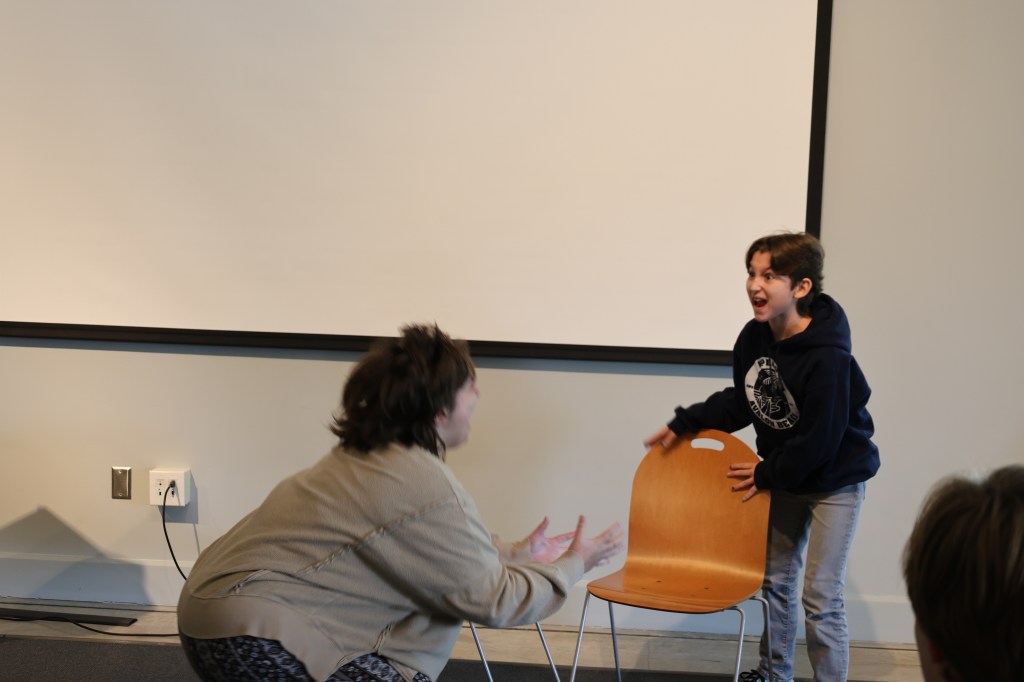
Imagine acting without words, yet the characters were in sync? Well, that’s exactly what it means when we say our young writers are superheroes! Two of our young writers were given a setting with two chairs. One after the other, they came on the stage, interacting with the setting, interacting with each other, and then leaving the scene. Without prior communication and without words, our two actors synced well with each other, and the audience members laughed so much because we understood their message.
In the spirit of playwriting, we also played a game called “Party Quirks.” One person played the party host, and a small group of guests were each allocated a secret quirky character. As the guests act out their quirkiness, the party host tried to guess the quirks of their party guests.
This was a very fun activity for the writers, as they learned various ways that characters can act through one another’s creativity.
Continuing down that path, instructor Maranda Haile took the writers on a script building adventure. The goal was to guide the writers to practice all they had been learning about plays. She displayed a scene, and the writers observed its characteristics.

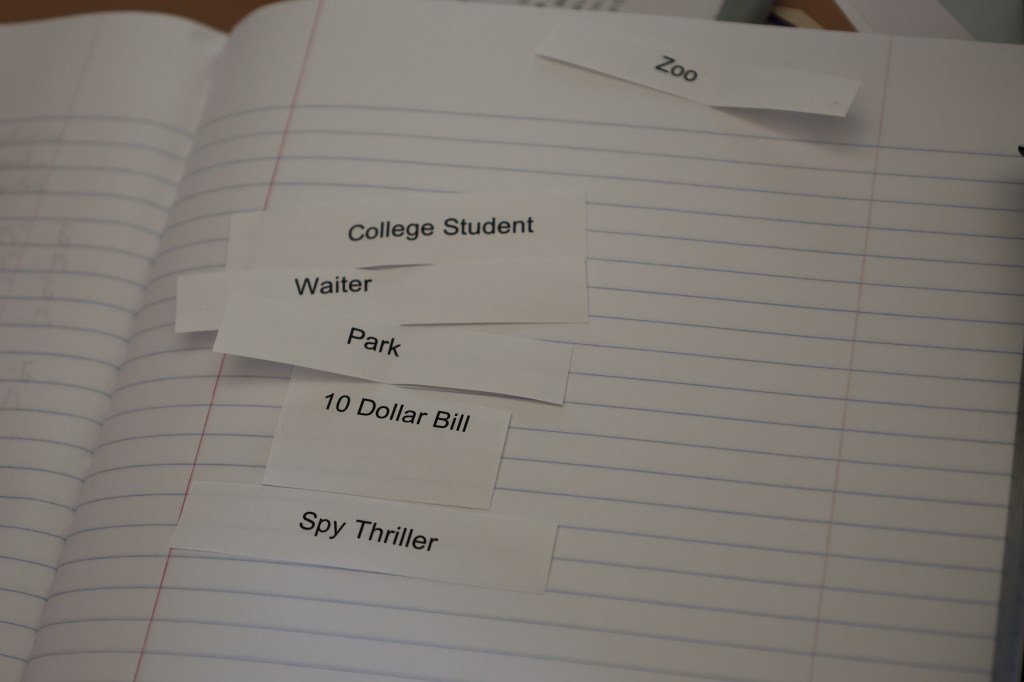
She then handed out little cut-out phrases to the writers. Using those phrases, they spent about 45 minutes developing and writing a scene. After writing, some writers read portions of their plays.
By the end of the activity, each writer had used random props and locations to build a scene and had a better understanding of dialogue.
Thereafter, our Director, Dr. Ania Payne, led the students through an immersive writing and workshopping session. Three days into an impactful writing workshop, our young writers surely had a number of half-finished poems, short stories, or plays. So, it was important that they get some uninterrupted writing time.
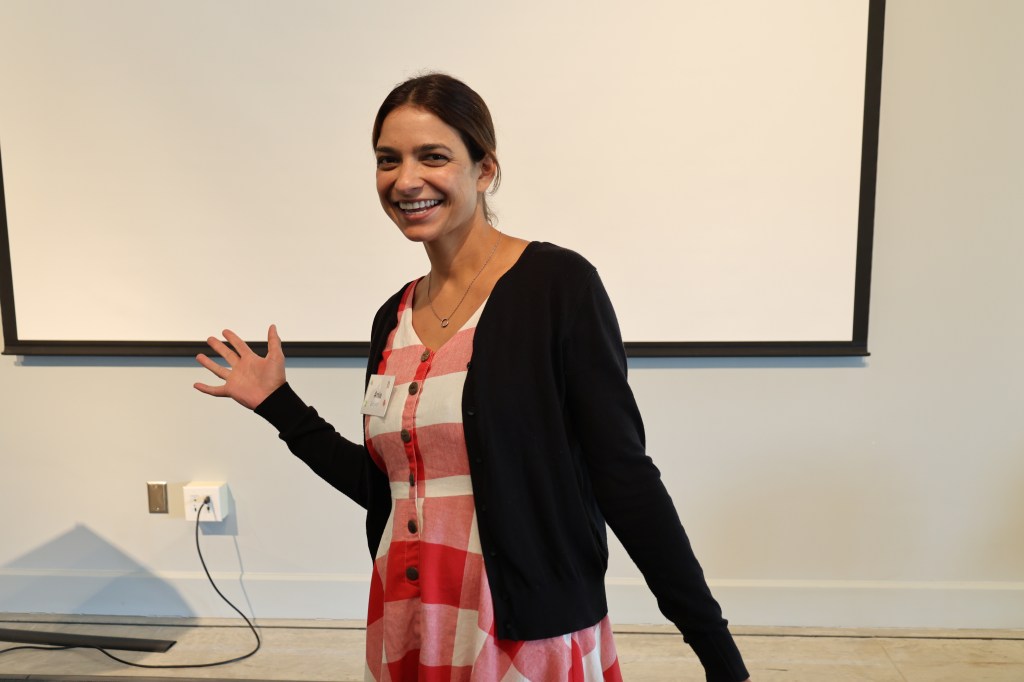
To make the session effective for them, the instructors role-played a bad workshop session and a good workshop session. By the end of the roleplay, the writers knew how to give constructive feedback, as well as how to receive feedback.

Between the need to add more imagery to their self-portrait, or the need for more dialogue, after writing and receiving feedback, the students ascertained that they felt more comfortable in their writing and more prepared to present their work on Friday!
Tomorrow, we’re looking forward to having our guest writer coach us on Young Adult fiction. Guess who it’ll be?
Well, stay tuned until tomorrow!
-Mary Adeyemo, Program Assistant
 K-State Young Writers' Workshop